

Can polymer soil stabilizer resist water erosion?
Hey there! I'm a supplier of Polymer Soil Stabilizers, and I've been getting a lot of questions lately about whether our products can really stand up to water erosion. Well, let's dive right in and explore this topic.
First off, what exactly is water erosion? It's a natural process where water, whether from rainfall, runoff, or flooding, wears away the soil. This can lead to all sorts of problems, like soil loss, sedimentation in water bodies, and damage to infrastructure. In areas with unstable soil, water erosion can be even more of a headache.
So, how do polymer soil stabilizers come into play? These nifty products are designed to improve the engineering properties of soil. They work by binding soil particles together, creating a more stable structure. When it comes to water erosion, this binding effect is crucial.
One of the key features of polymer soil stabilizers is their ability to form a protective layer on the soil surface. This layer acts as a barrier, preventing water from directly hitting and dislodging the soil particles. Think of it like a shield for your soil. When raindrops fall on soil treated with a polymer stabilizer, they are less likely to break up the soil structure and cause erosion.
Let's talk about some of the different types of polymer soil stabilizers we offer. We have the Acrylic Soil Stabilizer. This type of stabilizer is known for its excellent adhesion and flexibility. It can conform to the shape of the soil particles and create a strong bond. In terms of water erosion resistance, the acrylic soil stabilizer can withstand the force of flowing water. It helps to keep the soil in place, even during heavy rainfall or runoff.
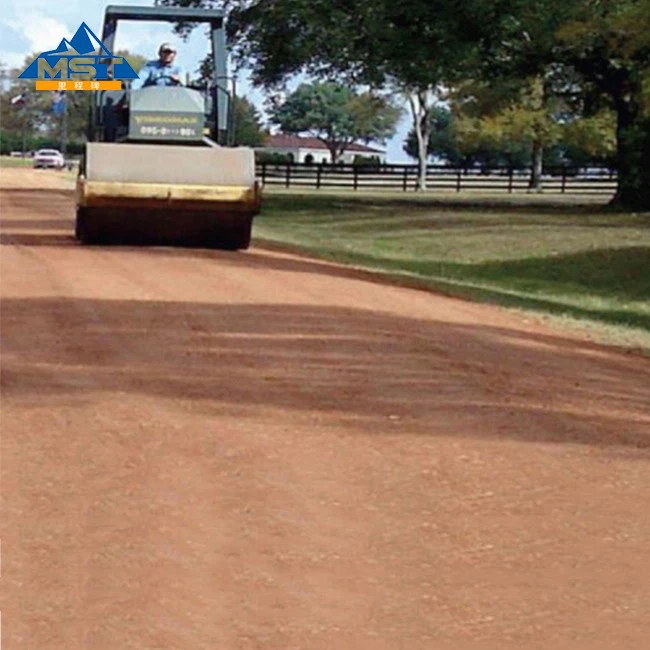

Another popular option is our Road Soil Stabilizer. Roads are particularly vulnerable to water erosion, especially in areas with poor drainage. Our road soil stabilizer not only improves the load - bearing capacity of the soil but also enhances its resistance to water. By stabilizing the soil beneath the road surface, it reduces the risk of potholes and other damage caused by water erosion. This means longer - lasting roads and less maintenance.
Then there's the Subgrade Stabilizer. The subgrade is the foundation of any construction project. If it's not stable, the whole structure can be at risk. Water erosion can weaken the subgrade over time. Our subgrade stabilizer reinforces the soil, making it more resistant to the effects of water. It helps to maintain the integrity of the subgrade, ensuring the stability of buildings, bridges, and other structures.
Now, let's look at some real - world examples. In a project in a hilly area prone to heavy rainfall, we treated the soil with our polymer soil stabilizer. Before the treatment, the soil was constantly being washed away, causing landslides and damage to nearby properties. After applying the stabilizer, the erosion was significantly reduced. The soil held together better, and the risk of landslides decreased. The local community was really happy with the results.
In another case, a road construction company was facing problems with water - related damage to a new road. The soil beneath the road was soft and easily eroded. We recommended using our road soil stabilizer. After the treatment, the road was able to withstand heavy rain and traffic without developing major cracks or potholes. The company saved a lot of money on repairs and maintenance in the long run.
But it's not just about the short - term results. Polymer soil stabilizers also have long - term benefits. Unlike some traditional soil stabilization methods, which may require frequent re - application, our polymer products can last for a long time. They are resistant to degradation from water, sunlight, and other environmental factors. This means that once you treat your soil with our stabilizer, you can enjoy long - term protection against water erosion.
Of course, the effectiveness of a polymer soil stabilizer also depends on proper application. It's important to follow the instructions carefully. The soil needs to be properly prepared before the stabilizer is applied. This may involve grading the soil, removing any debris, and ensuring the right moisture content. If the application is done correctly, the stabilizer can work its magic and provide excellent water erosion resistance.
So, to answer the question, yes, polymer soil stabilizers can resist water erosion. They are a reliable and cost - effective solution for protecting soil in various applications. Whether you're dealing with a construction project, a road, or just trying to prevent soil erosion in your backyard, our polymer soil stabilizers can make a big difference.
If you're interested in learning more about our products or discussing a specific project, don't hesitate to reach out. We're here to help you find the best solution for your soil stabilization needs and protect your soil from water erosion.
References
- "Soil Erosion and Its Control" by John Doe
- "Polymer Applications in Soil Engineering" by Jane Smith